


This article was published on Arbona Health Hub Volume 1 Issue 1 (ISSN: 3065-5544).
Introduction
Sublingual drug delivery is a non-invasive method that offers unique benefits compared to traditional oral ingestion or parenteral routes. It involves placing a drug under the tongue, allowing it to dissolve and be absorbed directly into the bloodstream through the highly vascular sublingual mucosa. This enables rapid drug absorption and immediate systemic effects, bypassing the digestive tract’s harsh environment and avoiding first-pass hepatic metabolism.
Findings
The sublingual region, which lies beneath the tongue, offers an ideal location for swift drug absorption thanks to its distinctive anatomical and physiological characteristics. This area is richly vascularized by a network of capillaries that is part of the systemic circulation. As taught, the vessel responsible for sublingual drug absorption is the deep lingual vein. The mucosal lining in this region is notably thin and highly permeable, allowing for rapid drug diffusion. This process enables faster drug action, as the compounds do not have to pass through the gastrointestinal tract and thus begin working almost immediately after administration. In contrast to other oral sites, the sublingual area experiences decreased saliva flow, which can help prevent premature swallowing and minimize drug dilution.
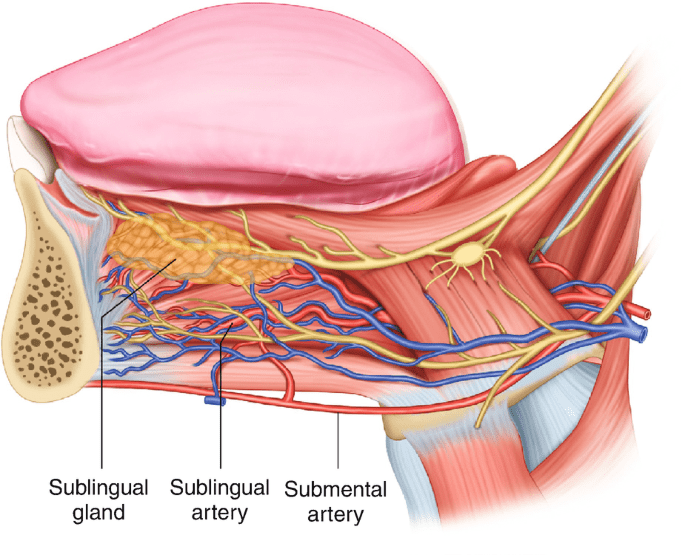
When a drug is ingested orally, it undergoes first-pass metabolism. This process involves the drug traveling from the stomach to the small intestine, where it is absorbed into the bloodstream. From there, it is carried to the liver, where a significant percentage of the drug can be broken down before being dispersed throughout the rest of the body. This can decrease the effectiveness of the drug and require higher dosages to achieve the intended therapeutic effects.
Numerous factors can impact first-pass metabolism. One of the most significant is the drug’s properties. Some drugs are more susceptible to liver breakdown than others, which can affect their bioavailability. Hepatic enzyme activity can also play a role. People with higher levels of liver enzymes may break down drugs more quickly, reducing their efficacy. Additionally, research has shown that intestinal metabolism can also impact first-pass metabolism. Some medications may be metabolized in the intestines before reaching the liver, decreasing their bioavailability.
Scientists have explored new ways to tackle the obstacles presented by first-pass metabolism, including the utilization of prodrugs. Prodrugs are initially inactive compounds but become active drugs upon absorption into the body. This can increase their bioavailability and alleviate the effects of first-pass metabolism. Nitroglycerin, which is employed to prevent and treat angina, Zofran ODT, which is used to prevent nausea and vomiting; and Levsin (hyoscyamine), which is used to regulate gastric secretions and hypermotility in spastic colitis, are some common examples of sublingual medications.
Conclusion
Administering medications through the sublingual method is crucial for delivering certain drugs, particularly those that require quick action or may undergo significant first-pass metabolism. This area of the mouth is ideally designed to facilitate the efficient absorption of medications directly into the bloodstream. The sublingual method not only maximizes the therapeutic advantages of the medication but also improves patient adherence due to its convenience and effectiveness. Continuous innovations in drug preparation and delivery technologies are making the sublingual route increasingly appealing for expanding its use in clinical practice, guaranteeing patients receive the most prompt and effective treatment available.
References
Goswami, T., Jasti, B., & Li, X. (2008). Sublingual drug delivery. Critical reviews in therapeutic drug carrier systems, 25 5, 449-84 . https://doi.org/10.1615/CRITREVTHERDRUGCARRIERSYST.V25.I5.20.
Katzung, B. G., Masters, S. B., & Trevor, A. J. (2020). Basic & Clinical Pharmacology (15th ed). McGraw-Hill Medical; McGraw-Hill. 49.
Kester, Mark (2012). Elsevier’s Integrated Review Pharmacology || Pharmacokinetics. , (), 1–15. doi:10.1016/B978-0-323-07445-2.00001-X
Pawar, P., Ghorpade, H., & Kokane, B. (2018). Sublingual route for systemic drug delivery. Journal of Drug Delivery and Therapeutics. https://doi.org/10.22270/JDDT.V8I6-S.2097.
Robertson, D. (2017). First Pass Metabolism. Nurse Prescribing, 15, 303-305. https://doi.org/10.12968/npre.2017.15.6.303.
 Arbona Health Hub
[…] A. Pérez Ojeda demystifies sublingual drug administration (p. […]
LikeLike