


This article was published on Arbona Health Hub Volume 1 Issue 1 (ISSN: 3065-5544).
Have you ever felt emotional exhaustion, depersonalization, or a diminished sense of personal accomplishment no matter how long you have been studying for your exams? You may be experiencing burnout caused by pressures that accompany medical education, including academic demands, prolonged work hours, and emotional challenges that patient care may provoke. This topic has been gaining more attention due to the increasing number of medical students and doctors openly reporting such feelings. Evidence supports the negative effects that burnout may cause, and as the future forefront of healthcare, addressing this issue early is paramount. This article aims to shed light on the causes, consequences, and potential strategies for mitigating burnout. It urges a collective effort among medical institutions, educators, and students themselves to foster a healthier, more supportive educational environment.
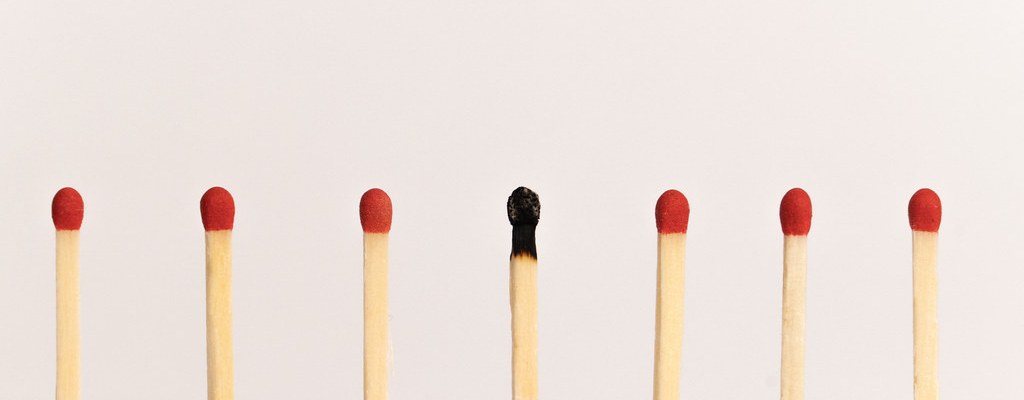
What does Burnt Toast Look Like?
Many burnt-out medical students may not realize they have already reached their boiling point; they may be so consumed by their endeavors that they don’t even notice the signs related to burnout. Feelings of stress, frustration, and exhaustion are completely normal when pursuing an MD. However, keeping an eye on how you feel throughout the process may save your career and well-being.
If you have experienced any of the following, you may be in the process of burning yourself out:
- Low energy levels
- Easily irritated
- Poor sleep
- Emotionally detached from the world
- Unable to concentrate
- Unable to cope
- General feeling of uselessness and having no direction
There are also different types of burnout that you may want to be aware of:
Overload Burnout: When you work yourself too hard to the point of exhaustion. This is very common among medical students who incorrectly believe that studying to exhaustion is effective.
Under-Challenge Burnout: Feelings of unfulfillment and unappreciation caused by lack of stimulation/motivation from work or school. This happens to those in very repetitive job positions, where there is a lack of room for growth and opportunities to learn new things and make connections.
Neglect Burnout: Feeling unable to keep up with the demands that work/school provide. A lack of organization, structure, and direction can facilitate burnout in your environment. This particular subtype of burnout may lead to the infamous “impostor syndrome” many students experience, where they feel inadequate to perform the tasks thrown at them by medical school.
Causes of Medical Student Burnout
Medical students undergo pre-clinical years, focusing on basic sciences in the 1st and 2nd years, and clinical rotations in the 3rd and 4th years in the U.S., where burnout may manifest itself at any time. For pre-clinical students, the primary source of stress often stems from the academic rigors required to assimilate vast amounts of medical knowledge in a short amount of time, coupled with the pressure to perform well on exams. This intense focus on academic achievement can lead to emotional exhaustion, as students spend long hours studying with little time for rest or personal activities. The relentless pursuit of academic excellence can also foster feelings of inadequacy, significantly diminishing their sense of personal accomplishment when they perceive their efforts as never quite enough.
Transitioning to clinical rotations introduces a new set of challenges that can exacerbate burnout symptoms. Clinical students must apply their theoretical knowledge in real-world settings, dealing directly with patients. This novel phase introduces the emotional toll of witnessing suffering and death, the stress of making critical decisions, and often, the physical exhaustion from lengthy shifts. These experiences can lead to depersonalization, where students may begin to feel disconnected from their patients and cynical about their role in healthcare. The shift from a primarily academic focus to the hands-on, high-stakes environment of clinical practice highlights the need for targeted interventions to address burnout at each stage of medical education, acknowledging the unique pressures faced by pre-clinical and clinical students alike.
Research on medical student burnout presents a complex picture, where over half of students reveal encountering burnout symptoms during their education. The burden of burnout seems to disproportionately affect female medical students, who report higher levels of psychological distress and exhaustion. The prevalence of burnout in medical students also seems to increase as they advance through their medical training, particularly during the transition from pre-clinical to clinical, where patient care responsibilities are summed on top of the school workload. This issue is not uniform globally; variations in burnout rates are observed across different countries and regions, influenced by the local educational systems, cultural norms, and available support structures.
Consequences of Burnout
Not treating burnout symptoms may carry consequences that extend beyond the personal toll on one’s mental and physical health. Academic performance and future professional practice may suffer as a consequence of one’s exhaustion, cynicism, and sense of ineffectiveness. This, accompanied by a lack of motivation and engagement with their studies, can result in poor quality of patient care as well as poor academic outcomes such as low exam scores and grades (due to impaired critical thinking and decision-making skills). This snowball effect can jeopardize a student’s progression through medical school and their future careers.
Beyond the academic and professional ramifications, burnout may pose significant mental health risks, including increased susceptibility to depression, anxiety, and even suicidal ideation among medical students. These mental health issues can have lasting effects, affecting students’ well-being long into their residency and beyond, as they transition into practicing physicians. The cycle of burnout thus not only impacts the individuals experiencing it but also feeds into their personal lives and the healthcare system as a whole, potentially compromising patient care and safety. Therefore, addressing burnout in medical education is not just a matter of improving student well-being but also a critical step towards ensuring the quality and effectiveness of future healthcare delivery in the United States and Puerto Rico.
Prevention and Management
As mentioned, many students are already experiencing burnout symptoms but have not noticed yet. This article is a wake-up call to those students who feel they are stuck in an endless loop of nothingness with no way out. The first step in prevention and management is to be aware of the situation and look after yourself.
Commit to at least 5 minutes every day to sitting down in a quiet space and asking yourself how you are genuinely feeling. Have an internal conversation with yourself and uncover the roots of your stresses. Although it seems like a simple task, many find it hard to be alone with their thoughts. Talk to yourself and think of possible solutions for what is causing this burden. Learning to deal with burnout is a personal journey because everyone works differently. Some good starting points may be:
- Retake a hobby you might have abandoned
- Commit to exercising at least 3 times a week
- Prioritize self-care
- Meditate
- Surround yourself with the right people
- Implement a rest day from studying in your schedule
- Seek professional help
Create a connection with yourself to the point you can be aware whenever you are starting to get burnt out. Living a healthy lifestyle may also significantly improve your chances of avoiding burnout, this includes having a clean diet and avoiding the consumption of substances that may exacerbate stress such as alcohol, nicotine, and recreational drugs. It is natural to feel that you might not have enough time for a social life or hobbies, but making the effort to make time for your personal enjoyment is key to combating the toaster.
Conclusion
Addressing the topic of burnout in medical students is imperative not only for the well-being of the students themselves but also for the future of healthcare as a whole. Burnout can produce a ripple effect that extends from the individual to the patient through the quality of care and interaction. This article is a call to action for medical schools, students, and the broader medical community to put their mental health in a higher spot on their list of priorities and implement strategies for the prevention and management of burnout. Fostering a culture that acknowledges and actively addresses burnout can lead to significant improvements in both educational outcomes and healthcare delivery. By working collaboratively, we can ensure that the next generation of healthcare providers is healthy, supported, and equipped to face the challenges of their profession.
References
Ciphr, C. (2021). Burnout In The Workplace [Photograph]. Flickr. https://www.flickr.com/photos/193749286@N04/51391533873
Dyrbye, L.N., Thomas, M.R., Shanafelt, T.D. (2006). Systematic Review of Depression, Anxiety, and Other Indicators of Psychological Distress Among U.S. and Canadian Medical Students. Academic Medicine.
Rotenstein, L.S., Ramos, M.A., Torre, M., Segal, J.B., Peluso, M.J., Guille, C., Sen, S., Mata, D.A. (2016). Prevalence of Depression, Depressive Symptoms, and Suicidal Ideation Among Medical Students: A Systematic Review and Meta-Analysis. JAMA.
Casarella, J. (2022, December 18). Burnout: Symptoms and Signs. WebMD. Retrieved March 4, 2024, from https://www.webmd.com/mental-health/burnout-symptoms-signs
 Arbona Health Hub
[…] G. Correa García discusses medical student burnout and how to avoid it (p. […]
LikeLike