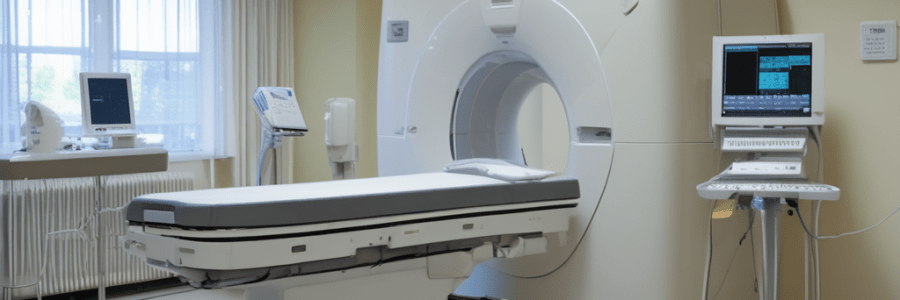
Impact of CT Scans on Cancer Risk in Patients

This article was published on Arbona Health Hub Volume 1 Issue 1 (ISSN: 3065-5544). The Computer Tomography (CT) scan represents a widely used and valuable imaging diagnostic tool in modern medicine. It enables medical professionals to detect the presence of tumors, traumatic injuries, hemorrhages, and a range of other health abnormalities (Computed Tomography (CT), 2022).… Read More Impact of CT Scans on Cancer Risk in Patients
Muscle Quality: A Cancer Game-Changer

In a study published in the Journal of the National Comprehensive Cancer Network, researchers explored the intricate relationship between muscle radiodensity and outcomes in hospitalized patients with advanced cancer. This groundbreaking research sheds light on how muscle radiodensity, a measurement of muscle quality, can influence patient symptoms, healthcare utilization, and survival rates, providing valuable insights… Read More Muscle Quality: A Cancer Game-Changer

Science Behind Alzheimer’s Treatments: A Comprehensive Yet Simplified Exploration

This article was published on Arbona Health Hub Volume 1 Issue 1 (ISSN: 3065-5544). Have you ever wondered how drugs work to combat neurodegenerative diseases like Alzheimer’s? Welcome back to the second part of this exploration, where we delve deeper into the intricate mechanisms and pharmaceutical options related to Alzheimer’s Disease. Alzheimer’s Disease (AD) is… Read More Science Behind Alzheimer’s Treatments: A Comprehensive Yet Simplified Exploration

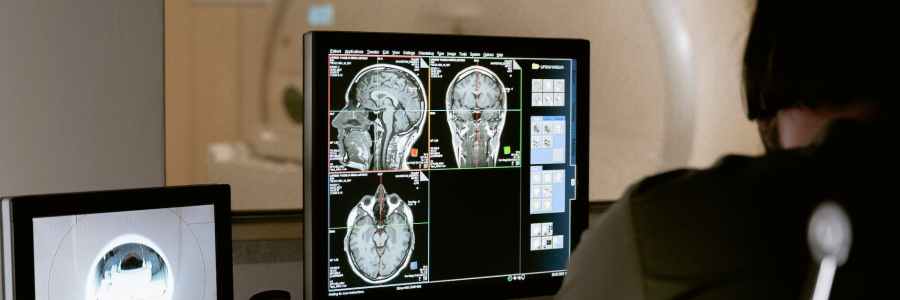
Examining the Role of MRI in Brain Anatomy

Introduction Magnetic Resonance Imaging (MRI) is an important tool for understanding the structure and function of the brain. This non-invasive imaging technique is excellent at showing small anatomical details, allowing scientists and medical professionals to explore the anatomy of the brain’s tissues and structures. Strong magnets and radio waves are used in an MRI to produce detailed… Read More Examining the Role of MRI in Brain Anatomy

Can AI Outperform Radiologists in Early Pancreatic Cancer Detection?

Pancreatic cancer is one of the deadliest forms of cancer, with a five-year survival rate of only 10%. This is largely because it is often diagnosed at a late stage, when treatment options are limited. However, a recent study published in Nature Medicine offers hope for improved survival rates through the use of a deep… Read More Can AI Outperform Radiologists in Early Pancreatic Cancer Detection?