

Something interesting that might not receive too much attention is the negative effect and impact that antibiotic-resistant bacteria have on the public health. The overuse and misuse of antibiotics has led to the development of resistant bacterial strains, transforming a once manageable problem into a global health concern. Not only has this become a problem worldwide it has the potential to escalate. This may potentially lead to higher healthcare costs; longer hospital stays and increased mortality rates.
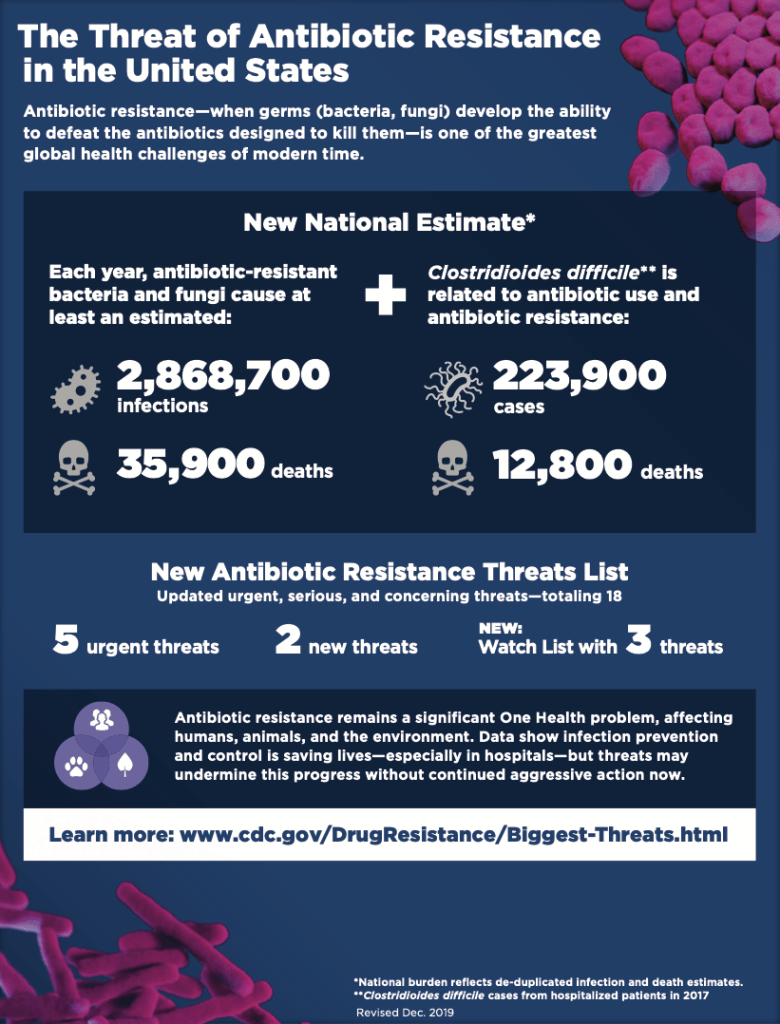
According to the CDC, at least 2.8 million people are infected with antibiotic-resistant bacteria in the United States each year, and more than 35,000 people die as a result (Ventola, 2015).
Fighting Back Against Resistance
Given the limitations of conventional antibiotics, researchers are exploring new antimicrobial strategies that work through novel mechanisms. These include alternative antimicrobial agents capable of inhibiting or killing bacterial growth in ways different from traditional antibiotics.
Toxic ions
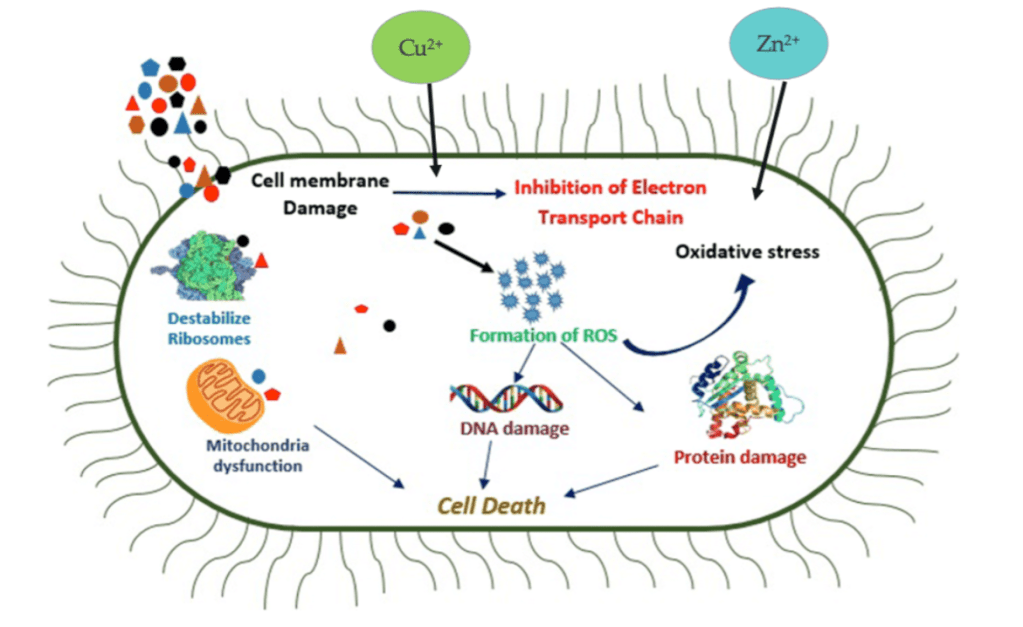
Metals like zinc and copper can be toxic to the cell in sub millimolar concentrations leading to bactericidal effects within the cell. Copper toxicity can be attributed to reactive oxygen species, such as hydroxy radical, superoxide ion, and hydrogen peroxide (Djoko, et. Al 2015). These free radicals, when accumulated, can cause significant damage by disrupting DNA and nucleic acids. Zinc, while generally well tolerated within the cell at low concentrations, can become toxic at elevated levels (Djoko, et. Al 2015). Zinc can cause inhibition of key enzymes in the cell. Leading to protein denaturation, enzyme inactivation and apoptosis (programmed cell death) (Ye Q, et.al 2020).
Silver Nanoparticles (AgNPs)
Silver (Ag) has always been recognized as a strong antimicrobial agent, when reduced to a nano size level, its antimicrobial effects are increased. Advancements in nanotechnology have facilitated the developments of silver nanoparticles (AgNPs), maximizing their bactericidal properties.
Nanoparticles are preferred over basic Ag compounds due to its favorable surface area. This high surface area to volume ratio contributes to potent bactericidal activity against both Gram-negative and Gram-positive bacteria (e.g. E. coli, P. aeruginosa, S. aureus) (Ferdous Z, 2020).
When microbes are treated with Ag ions their replication capacity is impaired as the Ag ions disrupt phosphorus components in the DNA sequence. Ag ions are also able to inhibit phosphate uptake and suppress the growth of E.coli, a Gram-negative bacteria. This leads to an efflux of aggregated phosphates, glutamine, proline as well as succinate (Ahmad, et. Al 2020).
As AgNP’s enter the cell it affects cellular respiration as well as cell division. AgNP’s create free radicals increasing in ROS production. The accumulation of ROS damages cellular damages cellular components such as lipids, proteins, and nucleic acids, ultimately triggering cell death. Additionally, the positive charge of silver ions enhances membrane permeability contributing to the disruption of nucleic acids and further impairing cellular function (Slavin YN, 2017).

Strategies to Combat Antibiotic-Resistant Bacteria
Combination therapy, the use of two or more antimicrobial agents, has showed improvement in addressing antibiotic-resistant bacteria. This approach utilizes antimicrobial synergy, where the combined action of multiple agents is greater than their individual effect alone. By enhancing overall treatment efficacy, combination therapy can potentially reduce resistance development and improve patient outcomes.
This strategy offers increased efficacy against resistant bacterial strains, reduced toxicity through lower individual dosages, as well as the ability to target multiple cellular pathways. Combination therapies have been successfully applied in the treatment of different infections such as tuberculosis, cancer, and HIV (Fischbach MA, 2011). Furthermore, combination therapy can minimize adverse and reduce overall treatment costs, making this approach clinically and economically beneficial.
Conclusion
As the global health community continues to struggle with the growing challenges posed by antibiotic-resistant bacteria, the search for effective and sustainable solutions remains imperative. Innovative therapies, such as the combined use of toxic metal ions and silver nanoparticles, which together exhibit enhanced antimicrobial activity, offer a promising step forward. This emerging therapeutic strategy holds significant potential for preserving the efficacy of existing antibiotics, combating resistant bacterial strains, and most importantly, protecting the public health in the years to come.
References
- Ventola CL. The antibiotic resistance crisis: part 1: causes and threats. P T. 2015 Apr;40(4):277-83. PMID: 25859123; PMCID: PMC4378521.
- CDC. Antibiotic Resistance Threats in the United States, 2019. Atlanta, GA: U.S. Department of Health and Human Services, CDC; 2019
- Djoko, K. Y., Ong, C. L., Walker, M. J., & McEwan, A. G. (2015). The Role of Copper and Zinc Toxicity in Innate Immune Defense against Bacterial Pathogens. The Journal of biological chemistry, 290(31), 18954–18961. https://doi.org/10.1074/jbc.R115.647099
- Ye, Q., Chen, W., Huang, H., Tang, Y., Wang, W., Meng, F., Wang, H., & Zheng, Y. (2020). Iron and zinc ions, potent weapons against multidrug-resistant bacteria. Applied microbiology and biotechnology, 104(12), 5213–5227. https://doi.org/10.1007/s00253-020-10600-4
- Rahman S, Rahman L, Khalil AT, Ali N, Zia D, Ali M, Shinwari ZK. Endophyte-mediated synthesis of silver nanoparticles and their biological applications. Appl Microbiol Biotechnol. 2019 Mar;103(6):2551-2569. doi: 10.1007/s00253-019-09661-x. Epub 2019 Feb 5. PMID: 30721330.
- Ferdous Z, Nemmar A. Health Impact of Silver Nanoparticles: A Review of the Biodistribution and Toxicity Following Various Routes of Exposure. Int J Mol Sci. 2020 Mar 30;21(7):2375. doi: 10.3390/ijms21072375. PMID: 32235542; PMCID: PMC7177798.
- Ahmad, A. S., Das, S. S., Khatoon, A., Ansari, M. T., Afzal, M., Hasnain, M. S., & others. (2020). Bactericidal activity of silver nanoparticles: A mechanistic review. Materials Science for Energy Technologies, 3, 756–769. https://doi.org/10.1016/j.mset.2020.10.004
- Slavin YN, Asnis J, Häfeli UO, Bach H. Metal nanoparticles: Understanding the mechanisms behind antibacterial activity. Journal of Nanobiotechnology. 2017;15(1).
- Fischbach MA. Combination therapies for combating antimicrobial resistance. Current Opinion in Microbiology. 2011;14(5):519–23.
 Arbona Health Hub