

This article was published on Arbona Health Hub Volume 2 Issue 1 (ISSN: 3065-5544).
Environmental pollution, particularly ocean pollution, remains a relatively overlooked yet critically important global issue. Oceans are essential for the sustenance of human, animal, and plant life. However, they are increasingly threatened by a range of anthropogenic activities—including domestic, industrial, agricultural, and recreational uses.
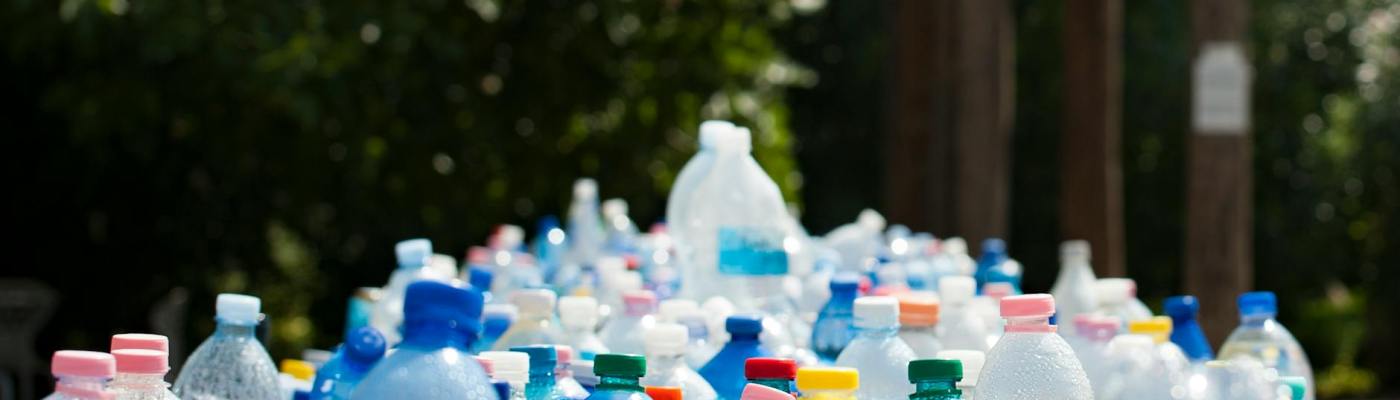
Among the most pressing forms of oceanic pollution is the proliferation of microplastics, defined as plastic particles measuring less than five millimeters. These particles have been detected in rivers, lakes, potable water supplies, and even bottled water (Foulkes, 2019; Thompson et al., 2024).
Background
Microplastics are ubiquitous. A global investigative study analyzing 259 water bottles across 11 popular brands in nine different countries found an average of 325 plastic particles per liter of bottled water, with some samples containing double the amount of plastic found in tap water (Rodriguez, 2022). Although the World Health Organization (WHO, 2019) currently maintains that microplastics in drinking water do not pose an immediate risk to human health, the presence of these particles in over 90% of bottled water samples raises significant concerns. While the WHO deems the current risk minimal, growing scientific evidence suggests otherwise, raising new questions about long-term health outcomes related to persistent exposure. Recent academic research has shown that exposure to microplastics may result in cytotoxic and genotoxic effects in human cells (Prata et al., 2020).
Public Health Implications
Humans may ingest microplastics not only through drinking water but also through contaminated seafood and everyday products. Marine life, such as fish and shellfish, frequently ingest plastic fragments due to ocean pollution. These particles may then accumulate in human organs through the food chain, potentially causing toxicological effects (Crespo, 2018). Microplastics have also been found in other food products, chewing gum, and personal care items such as toothpaste. Their durability and chemical resistance prevent them from biodegrading, meaning they persist in the environment and within organisms, including humans (Huertas, 2018; Yee et al., 2021; Vethaak & Legler, 2021).

Recent studies have shown that the impact of microplastics on marine organisms destined for human consumption is more serious than previously thought. According to Greenpeace, between 5 and 50 trillion microplastic particles are floating in the ocean, with 70% located on the seafloor and only 15% on the surface—where five massive plastic islands are already drifting across the Pacific, Atlantic, and Indian Oceans. A study analyzing mollusks such as clams and mussels, which are often consumed by humans, found that 71% of the samples tested were contaminated with microplastics even after being cleaned. Although current evidence shows microplastics in small quantities in the intestines of marine species, limited scientific work has evaluated their broader health impact on populations. Nonetheless, experimental studies in laboratory settings have already shown that these particles can be harmful.
Although research is still developing, experts warn that these particles can accumulate in the body and may cause inflammation, cellular toxicity, or the release of harmful chemical additives and heavy metals (Crespo, 2018). Exposure to such substances has been linked to endocrine disruption, reproductive toxicity, developmental issues, and neurological effects. The exact thresholds at which these symptoms appear remain unclear, highlighting the need for further research on long-term human exposure to microplastics.
Environmental and Political Inaction
Current governmental and institutional responses to microplastic contamination have been insufficient. Investment in research and mitigation strategies, such as water filtration systems capable of removing microplastics, remains scarce. Moreover, public awareness of the issue is limited. Efforts to reduce microplastic contamination must include public policy interventions, corporate accountability, and individual behavioral changes. Recent research has emphasized the need for improved regulatory oversight and public health surveillance (Lee et al., 2023).
Conclusion
Microplastics are not just an environmental concern—they are a direct and growing threat to our health and survival. Their presence in our food, water, and bodies demands urgent attention. Although scientific research is still uncovering the full extent of their impact, we cannot afford to wait for certainty before taking action. Protecting marine ecosystems and human life requires immediate, collective effort from individuals, industries, and governments alike. It is not only our responsibility but our moral obligation to reduce plastic waste, support sustainable alternatives, and demand stronger policies that safeguard public health. The future of our oceans, our communities, and our bodies depends on the actions we take today. That is why we must take preventive action now, even in the absence of full certainty.
References
- Foulkes, I. (2019, August 22). Microplásticos: El informe de la OMS que dice que suponen un “riesgo mínimo para la salud”. BBC News Mundo. https://www.bbc.com/mundo/noticias-49434557
- Thompson, R. C., Olsen, Y., Mitchell, R. P., Davis, A., Rowland, S. J., John, A. W. G., McGonigle, D., & Russell, A. E. (2024). Lost at sea: Where is all the plastic? Science, 304(5672), 838. https://doi.org/10.1126/science.1094559
- Rodriguez, H. (2022, March 7). Detectan microplásticos en el 90% del agua embotellada. National Geographic España. https://www.nationalgeographic.com.es/ciencia/detectan-microplasticos-90-agua-embotellada_14456
- World Health Organization. (2019). Microplastics in drinking water. https://www.who.int/publications/i/item/9789241516198
- Prata, J. C., da Costa, J. P., Lopes, I., Andrady, A. L., Duarte, A. C., & Rocha-Santos, T. (2020). Environmental exposure to microplastics: An overview on possible human health effects. Science of The Total Environment, 702, 134455. https://doi.org/10.1016/j.scitotenv.2019.134455
- Crespo, C. (2018, August 27). Un 69% de alimentos marinos está contaminado por microplásticos. National Geographic España. https://www.nationalgeographic.es/medio-ambiente/2018/08/un-69-de-alimentos-marinos-esta-contaminado-por-microplasticos
- Huertas, E. (2018, September 7). El plástico y su impacto en la salud. El Comercio. https://elcomercio.pe/tecnologia/ciencias/contaminacion-plastico-impacto-salud-noticia-541460-noticia/
- Yee, M. S.-L., Hii, L.-W., Looi, C. K., Lim, W.-M., Wong, S.-F., Kok, Y. Y., Tan, B. K., Wong, C. Y., Leong, C. O., & Mai, C.-W. (2021). Impact of microplastics and nanoplastics on human health. Nanomaterials, 11(2), 496. https://doi.org/10.3390/nano11020496
- Vethaak, A. D., & Legler, J. (2021). Microplastics and human health. Science, 371(6530), 672–674. https://doi.org/10.1126/science.abe5041
- Lee, Y., Cho, J., Sohn, J., & Kim, C. (2023). Health effects of microplastic exposures: Current issues and perspectives in South Korea. Yonsei Medical Journal, 64(1), 1–10. https://doi.org/10.3349/ymj.2023.64.1.1
- Greenpeace. (n.d.). Un 69% de alimentos marinos está contaminado por microplásticos. https://es.greenpeace.org/es/noticias/un-69-de-alimentos-marinos-esta-contaminado-por-microplasticos/
- Statista. (2022). How we eat, drink and breathe microplastics. https://www.statista.com/chart/18299/how-we-eat-drink-and-breathe-microplastics/
 Arbona Health Hub