
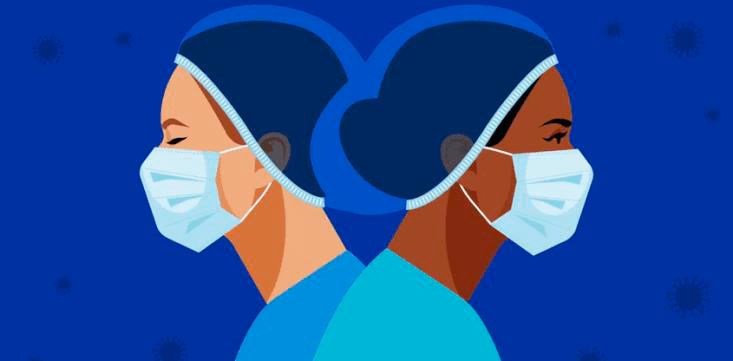

This article was published on Arbona Health Hub Volume 2 Issue 1 (ISSN: 3065-5544).
Throughout history, nurses have exemplified resilience, dedication, and a profound commitment to their work. Acknowledging their contributions from the past to the present is essential to fostering admiration, respect, and equitable treatment for all nursing professionals. For many people, the work of nurses is underestimated to execute tasks such as taking vitals and administering medications. However, our profession is much more than that: it is an essential labor with a history full of sacrifices and contributions that many are unaware of. Recognizing this legacy is not only an act of justice but also a necessary step in empowering current and future generations of nurses.
By shedding light on our vital role, society can begin to truly value nursing as the backbone of healthcare it has always been. With impressive statistics in recent years, there has been a decline in the number of nurses working in hospitals, as well as a deterioration in their emotional and physical health. Recognizing the importance of nursing history will help fulfill the profession’s clear need for appreciation, empowering each nurse to recognize the significance of their role and advocate for their needs to be heard. This reality is clearly reflected in recent studies highlighting the critical challenges nurses face today.
According to a 2023 publication by Ashleigh Hollowell in The Journal of Nursing, only 15% of nurses intend to remain in their current positions over the next year, while 85% are considering leaving the profession to explore other career opportunities or to pursue further education. The study highlights alarming statistics: 90% of respondents indicated that increasing support staff would be a critical solution, 89% suggested that reducing the patient-to-nurse ratio would help make workloads more manageable, 87% emphasized the need to prioritize salary increases, and 86% stressed the importance of creating safer work environments. Furthermore, 86% of nurses believed that having greater representation at decision-making tables would significantly benefit the profession.
The Foundations of Modern Nursing
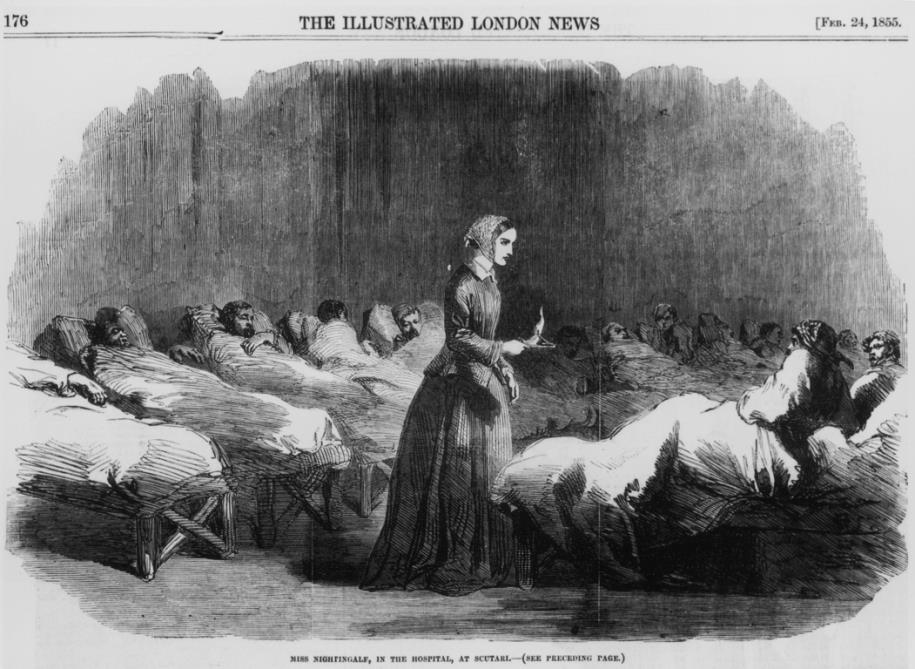
The role of nursing traces back to a key moment in history, where this pioneer is recognized for beginning her work. During the Crimean War, in 1854, a shocking event occurred: more soldiers died from infections than in combat. During this war, the first recognized nursing theory emerged: the theory of the five essential components of environmental health—pure air, clean water, effective sanitation, hygiene, and light.
171 years later, every branch of medicine continues to apply the principles established by the pioneer in the healthcare field, Florence Nightingale. Since then, nursing has evolved and left its mark in various parts of the world.
Nursing Pioneers in Puerto Rico
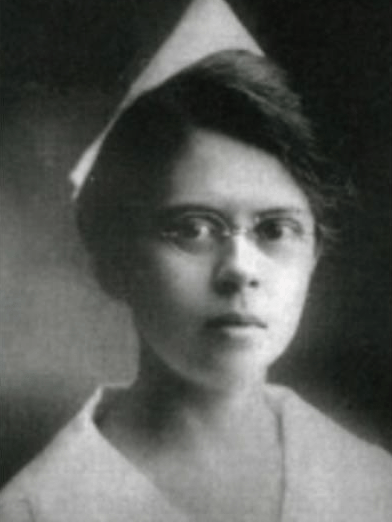
In Puerto Rico, one of the pioneers of the nursing profession was Rosa González. Born in Lares, González assumed significant responsibilities within the field. As a nurse and health activist in the early 20th century, she advocated for improved sanitary conditions and greater professional recognition. According to her biography on the website of the Medical Sciences Campus of the University of Puerto Rico in Río Piedras, her most notable achievements include the reorganization of the School of Nursing at the Hospital of Tropical Medicine in 1931; serving as field secretary (without pay) for the Nurses Association from (1933 to 1935); organizing and directing the first Maternal Health Clinic in Puerto Rico from (1936 to 1940); directing the Nursing Service of the American Red Cross in Puerto Rico from (1942 to 1946); and authoring the Medical Dictionary for the Nurse (1917) and The Unknown Facts (1929), the latter advocating for the creation of a Board of Nurse Examiners, which was ultimately established in 1930.
Global Impact of Nursing: The Case of Fatu Kekula
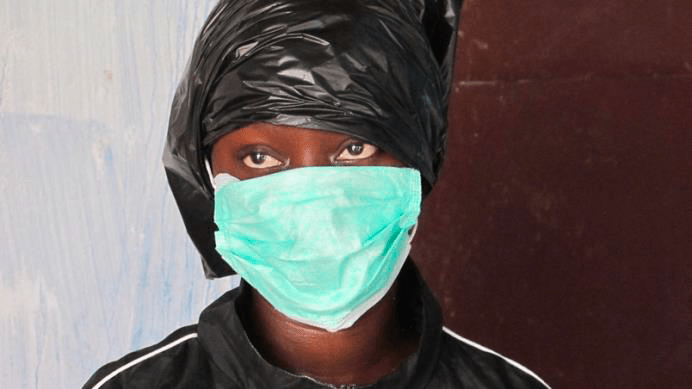
The vocation of nurses transcends borders. A striking example occurred 11 years ago, more than 7,500 kilometers (about 4660.28 mi) from Puerto Rico, when an Ebola outbreak shook Africa. In Liberia, a family was sick, but they had a young nursing student. Fatu Kekula saved her parents and sister from Ebola by feeding them, cleaning them, and administering medications independently. She avoided infection by creating her own protective gear, covering her body with garbage bags and adhesive tape. For several weeks, she safeguarded her family, introducing a new protection method, especially essential for families in need and facing economic disadvantages.
The Ongoing Role of Nurses in Healthcare
Today, the legacy of these women is reflected in various aspects of patient care: in the professors who pass on their knowledge to new generations of nurses, shaping them into well-rounded professionals. In the mother who is also a nurse yet still pours love into each patient. In the nurse who treats an elderly patient with dignity. In the young woman arriving at the hospital with new knowledge, ready to demonstrate what she has learned. In the nurse who washed the body of the person you love when they were no longer alive. In the sacrifice of the nurse pursuing a doctorate to forge a path of respect in the community.
The footprints of nurses can be found in every step taken within a hospital. In the exhausting twelve-hour shifts, in the arrival of a new life, in the discussions aimed at improving each patient’s treatment plan, in every venipuncture, educating patients and families about their conditions and care plans, coordinating with doctors, therapists and other healthcare professionals to ensure proper treatment, assisting in operating rooms and much more.
Nurses are present in every crucial moment of life: at birth, during recovery, in the battle against illness, and at the final farewell. Their work goes beyond what is visible; it is an act of love, guidance, service, and dedication. Although they do not always receive the recognition they deserve, their impact is undeniable. That is why it can only be said, “Nurses change lives, and that changes everything.”
References
Images:
- Cover Image: Ralph, J., Ménard, D., Soucie, K., & Freeman, L. A. (2020, 24 de agosto). Heroes, or just doing our job? The impact of COVID-19 on registered nurses in a border city. The Conversation. Recuperado de https://theconversation.com/heroes-or-just-doing-our-job-the-impact-of-covid-19-on-registered-nurses-in-a-border-city-143787
- Figure 1: Florence Nightingale and the History of Nurses Month. (2023, 25 abril). https://www.ogradypeyton.com/blog/job-seeker-resources/history-of-florence-nightingale/
- Figure 2. Aponte, R. (2022, 5 enero). Rosa A. Gonzalez – Nurses You Should Know – medium. Medium. https://medium.com/nurses-you-should-know/rosa-a-gonzales-5e245dc88752
- Figure 3. Cohen, E.(2014,September25).Woman saves three relatives from Ebola. CNN. https://www.cnn.com/2014/09/25/health/ebola-fatu-family/index.html
Sources:
- Ralph, J., Ménard, D., Soucie, K., & Freeman, L. A. (2020, 24 de agosto). Heroes, or just doing our job? The impact of COVID-19 on registered nurses in a border city. The Conversation. Recuperado de https://theconversation.com/heroes-or-just-doing-our-job-the-impact-of-covid-19-on-registered-nurses-in-a-border-city-143787
- Florence Nightingale and the History of Nurses Month. (2023, 25 abril). https://www.ogradypeyton.com/blog/job-seeker-resources/history-of-florence-nightingale/
- Aponte, R. (2022, 5 enero). Rosa A. Gonzalez – Nurses You Should Know – medium. Medium. https://medium.com/nurses-you-should-know/rosa-a-gonzales-5e245dc88752
- Cohen, E.(2014,September25).Woman saves three relatives from Ebola. CNN. https://www.cnn.com/2014/09/25/health/ebola-fatu-family/index.html
- hollywoodcasthu. (2020, 8 junio). Johnson & Johnson – Nurses Change Lives [Vídeo]. YouTube. https://www.youtube.com/watch?v=G7ucyHwLVLc
- Survey: 85% Of Nurses Plan To Leave Hospital Roles 1 Year From Now | Journal of Nursing. Nursing Journals : American Society of Registered Nurses. (s. f.-b). https://www.asrn.org/journal-nursing/2946-survey-85-of-nurses-plan-to-leave-hospital-roles-1-year-from-now.html
- Ralph, J., Ménard, D., Soucie, K., & Freeman, L. A. (2020, 24 de agosto). Heroes, or just doing our job? The impact of COVID-19 on registered nurses in a border city. The Conversation. Recuperado de https://theconversation.com/heroes-or-just-doing-our-job-the-impact-of-covid-19-on-registered-nurses-in-a-border-city-143787
 Arbona Health Hub