Imagine this: While planning today’s article on March 22, focusing on circadian rhythms and ways to boost brain performance, I stumbled upon groundbreaking news! A quadriplegic patient with a brain-chip implant was playing chess thanks to Neuralink, with remarkable updates shared on March 20, 2024. Having been fascinated by Neuralink since my undergraduate days, envisioning the future of neuroscience, this discovery thrills me to incorporate cutting-edge technology. But hey, no spoilers! Stay tuned for the next article!
However, let’s stay on track with today’s main topic: Circadian Rhythms. Let’s explore how we can optimize our circadian rhythm for better focus and efficiency.
(Note: Hyperlinks are provided throughout the article for reference. Feel free to click on them for more information.)
Understanding Circadian Rhythms
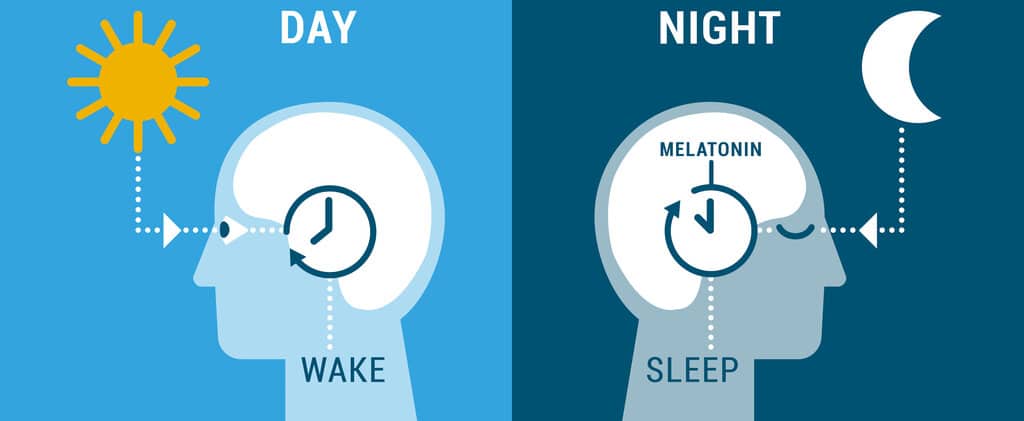
Fig. 1: Roadmap of a Conventional Circadian Rhythm.
What exactly are circadian rhythms, you may wonder?
The term “circadian” originates from the Latin words “circa” meaning “around” and “diem” meaning “day,” giving us the literal translation of “around-the-day” rhythm.
While most individuals rightly associate circadian rhythm with the sleep-wake cycle, its influence extends far beyond just that. From regulating energy levels to orchestrating processes like cytokine secretion, glucose metabolism, renal activity, and hormone secretion. The circadian rhythms play a vital role in numerous bodily functions.
The Impact on Productivity
You might wonder about the impact of circadian rhythms on productivity. Consider the timeless advice passed down through generations about the importance of sleep and routine. It’s not surprising that they were right! Even if you haven’t heard of Dr. Andrew Huberman’s work, despite his recent personal controversy, his insights into maximizing productivity and enhancing physical and mental health are closely tied to the importance of maintaining good sleep hygiene—a healthy circadian rhythm. These assertions are firmly supported by scientific literature found on platforms like PubMed and Google Scholar, as well as reputable scientific journals. (Spoiler: In the Red Pill/Blue Pillsection hyperlinks lead to specific studies.)
Fig. 2:Healthy vs. Disrupted clock.
Having a healthy circadian rhythm is crucial for boosting productivity. A disrupted clock—lack of sleep—irregular sleep pattern can lead to fatigue, headaches, irritability, weakened immunity, weight gain, depression, anxiety, brain fog, hypertension, diabetes mellitus development, and more (please, do not panic).
Contrary to common belief, maintaining a routine doesn’t equate to a boring life; in fact, it often leads to enhanced productivity and reduced levels of stress. Research suggests that structured routines can enhance time management, alleviate stress, and enhance overall efficiency. Nevertheless, it’s important not to take it to extremes, as research as well suggests that excessive rigidity may lead to unhappiness, increased obsessive-compulsive disorders (OCD), and detrimental impacts on mental well-being.
Dr. Kohyama’s study supports the belief that early-life habits significantly impact long-term success. Moreover, a healthy circadian rhythm strengthens the prefrontal cortex, crucial for decision-making, social interactions, memory consolidation, emotional processing—key aspects discussed in this article.
All of these findings translate into enhancing your overall cognitive abilities, reducing stress, improving time management efficiency, consequently, boosting productivity. So, let’s identify the tactics that can move us forward, one step at a time!
Circadian Hacks: Enhancing Focus and Efficiency
Welcome to the eye-opening section! Having explored the circadian rhythm and its impact on productivity — we’re almost there — allow yourself to delve into how science can further optimize it. Think of this section like the scene in “The Matrix” where Morpheus gives Neo the choice: the red pill or the blue pill.
And if you’re still here, hopefully you are choosing the red pill.
Congrats on embracing science!
Fig. 3:Reference from The Matrix movie. (Context: Red pill: tough truths. Blue pill: comfy lies.)
⭐⭐⭐⭐⭐
Rating: 5 out of 5.
Which Pill you are taking?
Red Pill: Extended Version
A healthier circadian rhythm would likely follow:
Strategy
Extended Description
Drink water as soon as you wake up (~2 cups of water)
• If you sleep for 8 hours – lucky you! – you are dehydrated. Drink water!
Delay caffeine intake by 60-120 minutes after waking up (Coffee/Tea/Energy drinks)
• This delay allows the body to reabsorb adenosine. Caffeine blocks adenosine receptors, causing a traffic jam of neurotransmitters if consumed immediately upon waking. • This can lead to the “afternoon crash” once caffeine wears off, typically 6-8 hours later. • Additionally, it’s recommended to avoid caffeine intake 6-8 hours before bedtime to allow the body to secrete melatonin and adenosine, aiding in a restful sleep.
Sunlight or bright light exposure in the morning (~5-15 minutes)
• Research indicates that exposure to sun or bright light can lead to a peak in cortisol levels, which serves as a natural warning mechanism in the body. • Cortisol, the primary stress hormone, plays a crucial role in regulating mood, drive, and response to fear. Morning light exposure has been shown to improve nocturnal sleep and increase alertness the following morning. • While artificial light can be beneficial for those in locations with limited sunlight, it’s important to note that nothing can fully replace the brightness of natural sunlight.
Physical activities (~15-45 minutes)
• Physical activity leads to the release of endorphins, which can relieve pain, lower stress, regulate the circadian rhythm, and promote a sense of well-being. • Research suggests that individuals who engage in less physical activity are more likely to experience depression and major depressive disorders. Incorporating some exercise into your routine can make a difference.
• Ensure that you’re providing your body with essential nutrients. A balanced diet is crucial, whether you follow vegan, keto, plant-based (as discussed by Avery), vegetarian, low-carb, intermittent fasting (as discussed by Russell), Mediterranean diet, etc. • Aim to minimize consumption of processed foods. Processed foods have been linked to obesity, associated with multiple cancers, cardiovascular issues, diabetes, and many other diseases. • Also is correlated to cause: depression, inflammation, anxiety, cognitive decline, and poorer brain health! • The topic of processed foods merits its own discussion! As the famous saying goes, “You are what you eat!” There are even Netflix documentaries that explore this concept in depth.
Avoid Bright Lights After Sunset
• Just as it’s beneficial to expose yourself to bright light upon waking, the opposite holds true once the sun sets! • Avoiding bright light exposure helps your brain gradually initiate the release of melatonin, thereby enhancing your natural sleep-wake cycle and promoting sleep at night.
Note:The recommendations provided here are based on scientific research and general health guidelines. It’s important to consult with a healthcare professional before making any significant changes to your daily routine, especially if you have specific health concerns or conditions.
Conclusion:
At this point, I find it unnecessary to recap all the terms and topics covered. I trust that each of us is capable of drawing conclusions. This information may seem familiar and repetitive to many of you, as our parents likely emphasized the importance of sleep and routine cycles during our childhood – unconsciously introducing us to the circadian rhythm. Similar to numerous topics or concepts, there are aspects of our knowledge that we may not fully grasp, yet we possess an intuitive understanding of them. Now that you’re armed with this conscious awareness, it’s your turn to take the reins.
Are you taking any steps to drive meaningful change in your life?





 Arbona Health Hub