
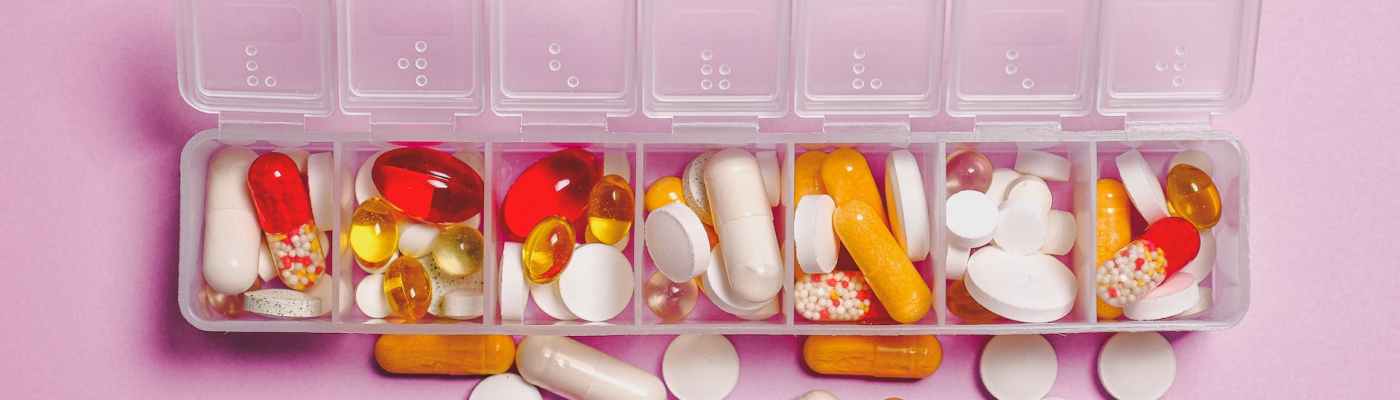

Nutrients are the essential compounds found in foods that are crucial for maintaining life and promoting overall health. These include vitamins, minerals, carbohydrates, proteins, and fats, each playing a unique role in supporting different physiological functions inside the human body. Vitamins and minerals are micronutrients that are required in little amounts but have significant impacts on immune function, development, and illness prevention. Their significance in keeping up optimal health cannot be overstated, as they act as catalysts for fundamental biochemical reactions and play a vital part in supporting the body’s defense mechanisms. Understanding the importance of these supplements is crucial to making educated dietary choices and developing a lifestyle that cultivates well-being and strength against illness. In this article I will be going through each vitamin and providing my opinion on the usefulness of supplementation of each one. In my next article, I will be covering the minerals linked to immune function. Please note that this article is not medical advice. If you are experiencing any of these symptoms, please go see your doctor.
Vitamin A
Supporting immune function and preserving general health are important tasks for vitamin A. The study referenced highlights the significance of including a range of colorful foods, such broccoli, sweet potatoes, spinach, and carrots, in the diet to guarantee adequate intake of vitamin A. A lack of vitamin A can result in compromised immune system performance and heightened vulnerability to infections, as it is crucial for the growth and specialization of immune cells. Vitamin A deficiency can cause night blindness, increased vulnerability to infections, and in extreme cases, xerophthalmia, a condition that can cause blindness, as well as higher mortality rates from measles and diarrhea. Thus, it is essential to maintain adequate levels of Vitamin A for general health and wellbeing. The recommended daily intake of Vitamin A is 0.9 mg for women and 0.7 mg for men, which is typically met by the average diet, so supplementation is rarely needed. Seeking medical advice is important if symptoms suggestive of deficiency are present.
B Vitamins
The B vitamins—B1, B2, B3, B5, B6, B7, B9, and B12—are necessary for immune system and energy metabolism, respectively. The study emphasizes how crucial it is to have a range of whole grains, legumes, nuts, and animal products in order to guarantee that the body is getting enough B vitamins from food. Because they stimulate the generation of immune cells and antibodies, B vitamins are essential for maintaining immune function.
For women who may get pregnant or are thinking about getting pregnant, vitamin B9 (folate) supplements are advised. It is recommended that pregnant women consume 400 to 1000 μg of folate every day. A lack of folate during pregnancy increases the risk of neural tube defects, low birth weight, and premature birth, among other major health problems for both the developing child and the pregnant mother. Therefore, it’s critical that expectant mothers make sure they’re getting enough folate from their food and/or supplements. Seeking medical advice is crucial for a comprehensive evaluation and management plan. If you are planning on supplementing with Vitamin B9, I recommend this brand https://amzn.to/486lxy3.
Because vitamin B12 is mostly found in animal products like meat, fish, and dairy, it might be difficult to receive from food sources, especially for vegetarians and vegans. A deficiency in Vitamin B12 can cause weight loss, fatigue, weakness, constipation, appetite loss, and megaloblastic anemia. Neurological problems can also result in depression, disorientation, impaired memory, tingling and numbness in the hands and feet, and trouble maintaining balance. A significant deficit of Vitamin B12 may result in irreparable damage to the nerves. Supplementing with vitamin B12 may be beneficial for these. Vegetarians and vegans could benefit from Vitamin B12 supplementation. Seeking medical advice for proper diagnosis and management is crucial for individuals experiencing symptoms suggestive of vitamin B12 deficiency. If you are planning on supplementing with Vitamin B12, I recommend this brand https://amzn.to/3Rx3GZX.
Vitamin C
Strong immunomodulator and antioxidant, vitamin C is essential for defending the host immune response. In order to enhance immune function, the study emphasizes how important it is to include foods high in vitamin C in our daily diet, such as citrus fruits, strawberries, and bell peppers. Immune cells are better able to produce antibodies and immune cells, and vitamin C shields them from oxidative damage. Scurvy is a disorder that can result from a lack of vitamin C. It causes weariness, weakness, swollen and bleeding gums, joint discomfort, sluggish wound healing, and easy bruising. If the amount of vitamin C in your diet falls short of the daily recommended amount, you may want to think about taking supplements. The recommended daily intake of vitamin C for adults is typically around 65 to 90 mg. There is no need to go over the recommended intake levels of Vitamin C, as any excess vitamin C will be excreted from the body via urine. Seeking medical attention is important for a proper diagnosis and management plan. If you are planning on supplementing with Vitamin C, I recommend this brand https://amzn.to/3GVv7aN.
Vitamin D
Bone health and immune system function depend on vitamin D. The importance of obtaining the recommended daily intake of vitamin D from food sources such fatty fish, fortified dairy products, and sunshine exposure is emphasized in the study. By stimulating the generation of immune cells and regulating the immune response, vitamin D enhances immune function. A low level of vitamin D can cause immune system weakness, bone pain, muscle weakness, and an increased risk of fractures. Conditions like rickets in children and osteomalacia in adults, which are characterized by soft and weak bones, can result from severe and prolonged vitamin D insufficiency.
Studies have indicated a possible connection between depressive symptoms and low vitamin D levels. Regions of the brain linked to mood regulation include receptors for vitamin D, and it is believed that vitamin D contributes to the manufacture of mood-regulating neurotransmitters like serotonin. It’s unclear exactly which processes explain the link between depression and vitamin D.
The recommended daily intake of Vitamin D is 600 international units (IU) for people ages 1 to 70 years, and 800 IU for people over 70 years. Meeting your daily vitamin D requirements could be difficult if you’re spending a lot of time indoors. While I was in university, I had my vitamin D levels checked and they were significantly below normal. Seeking medical advice is important for proper diagnosis and appropriate supplementation. If you are planning on supplementing with Vitamin D, I recommend this brand https://amzn.to/3GT1nLV.
Vitamin E
Strong antioxidant vitamin E shields immune cells from oxidative damage. In order to enhance immune function, the study emphasizes the significance of including vitamin E-rich foods in our daily diet, such as nuts, seeds, and vegetable oils. Immune cells are better able to produce antibodies and immune cells and are shielded from oxidative damage by vitamin E. A lack of vitamin E can cause nerve damage, poor immune system performance, muscle weakness, and eye issues. In extreme situations, a lack of vitamin E can cause neurological issues and a higher risk of infection. The recommended daily intake of Vitamin E is 15 mg. According to the National Institutes of Health, the diets of most Americans provide less than the recommended amounts of vitamin E. Consulting with a healthcare professional is essential for proper diagnosis and intervention. If you are planning on supplementing with Vitamin E, I recommend this brand https://amzn.to/47aYh0q.
Vitamin K
Bone health and blood clotting are dependent on vitamin K. The study highlights the importance of including foods high in vitamin K, like leafy greens, in our regular diets in order to improve our immune function. Both the immune response and immune cell formation are modulated by vitamin K. Symptoms of vitamin K deficiency are mostly associated with abnormalities in bone metabolism and blood coagulation. People who don’t get enough vitamin K may bruise easily, have minor wounds bleed for longer periods of time, and be more likely to bleed. Furthermore, a deficit may worsen osteoporosis, weakening bones and increasing the risk of fractures. In extreme circumstances, bleeding may start on its own. If there is a suspicion of vitamin K deficiency, consulting with a healthcare professional is essential for accurate diagnosis and appropriate intervention. If you are planning on supplementing with Vitamin K, I recommend this brand https://amzn.to/47c8hGN.
Multivitamins
Supplements containing numerous vitamins are becoming a popular option for people looking for a complete and easy approach to make sure they get all the nutrients they need every day. These dietary supplements fill in any possible dietary deficiencies by providing a combination of vital vitamins and minerals. Through the promotion of numerous physiological processes, such as immune system function, energy metabolism, and bone health, multivitamins seek to support general health. Multivitamins can be helpful for people who have specific nutritional deficiencies or busy schedules, but it’s important to stress that they shouldn’t take the place of a varied and balanced diet. Whole foods include nutrients together with other health-promoting substances that can help maintain good health. Before incorporating multivitamin supplements into your routine, consulting with a healthcare professional is recommended to ensure they align with individual health goals and needs. If you are planning on supplementing with a multivitamin, I recommend this brand https://amzn.to/3vdRK81.
Conclusion
The examination of immune-stimulating vitamins highlights how important they are to general health. Every nutrient has a specific function, from Vitamin A’s vital role in immune cell growth to B vitamins’ roles in energy metabolism and immune support. Pregnant women must take supplements of folate, and vitamin E’s antioxidant qualities protect immune cells. Depending on personal needs, vitamin C and D supplements may be necessary. These important nutrients are crucial for immune regulation and bone health. The relevance of vitamin K for healthy bones and blood coagulation emphasizes how crucial it is to include leafy greens in our diets. Although dietary decisions serve as the cornerstone, unique situations could call for supplements, underscoring the need for individualized health advice. Remember, this article provides information, not medical advice; consult healthcare professionals for tailored recommendations. Stay well and make informed choices on your health journey!
References
- Mitra S, Paul S, Roy S, Sutradhar H, Bin Emran T, Nainu F, Khandaker MU, Almalki M, Wilairatana P, Mubarak MS. Exploring the Immune-Boosting Functions of Vitamins and Minerals as Nutritional Food Bioactive Compounds: A Comprehensive Review. Molecules. 2022 Jan 16;27(2):555. doi: 10.3390/molecules27020555. PMID: 35056870; PMCID: PMC8779769.
- Anglin RES, Samaan Z, Walter SD, McDonald SD. Vitamin D deficiency and depression in adults: systematic review and meta-analysis. British Journal of Psychiatry. 2013;202(2):100-107. doi:10.1192/bjp.bp.111.106666
- https://ods.od.nih.gov/factsheets/VitaminA-Consumer/
- https://ods.od.nih.gov/factsheets/Folate-Consumer/ (Vitamin B9)
- https://ods.od.nih.gov/factsheets/VitaminB12-Consumer/
- https://ods.od.nih.gov/factsheets/VitaminC-Consumer/
- https://ods.od.nih.gov/factsheets/VitaminD-Consumer/
- https://ods.od.nih.gov/factsheets/VitaminE-Consumer/
- https://ods.od.nih.gov/factsheets/VitaminK-Consumer/
 Arbona Health Hub